Feel Good Friday: Name Your Opposition Before the Next Family Dinner
 By Bill Hajdu, the Firepig · November 27, 2026 · 8 min read
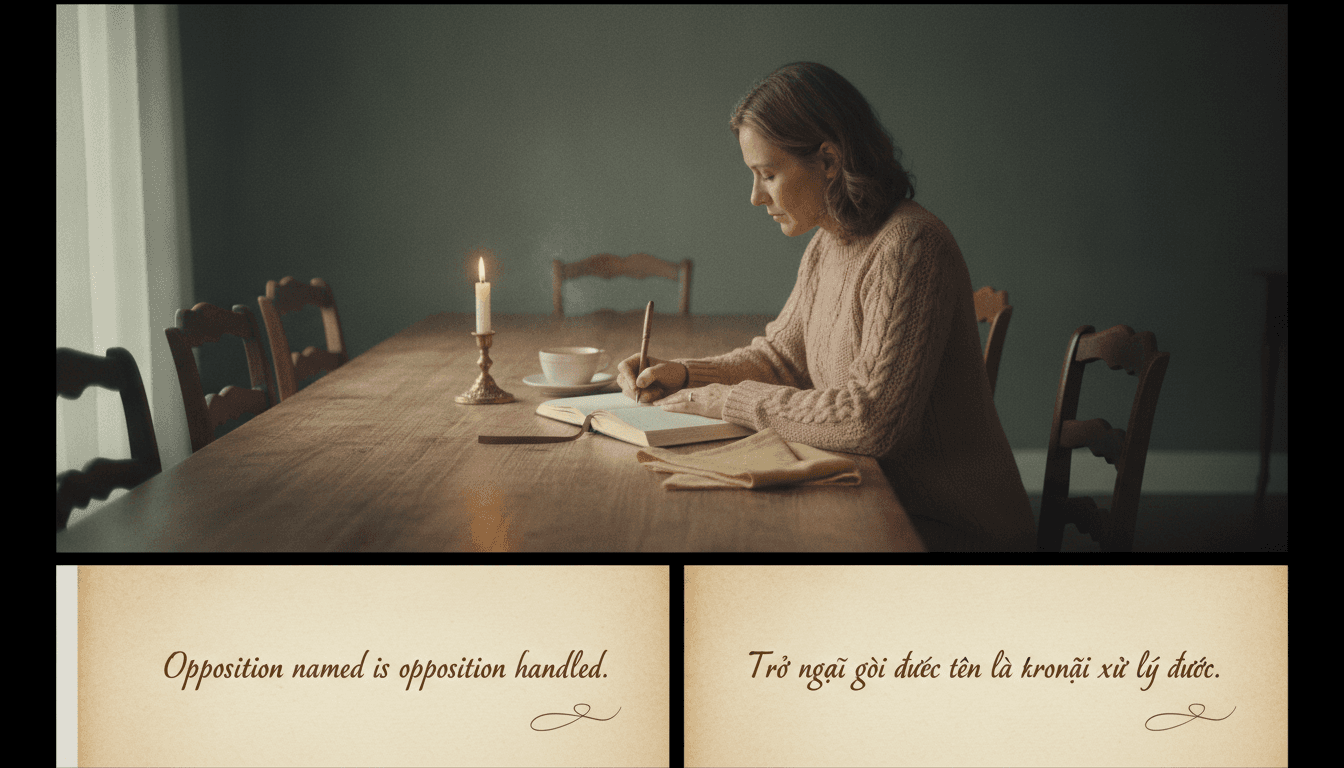
The dishes are done, the leftovers are packed, and you already know which conversation you are dreading at the next table. You know the person. You know the topic. You know the exact sentence that sets it off. Every year.
Here is the good news, and it is real news, not a greeting card: opposition you can name is opposition you can handle. That is the whole lesson of the West position in the Mahjong Mirror. Most people never do the naming. They walk in braced, jaw set, and then act surprised when the same fight shows up for dessert.
I'm the Firepig. Monday I told you about a Peach card that stopped a party cold, and the hard truth underneath it: the opposition is often you. Wednesday I showed you the center card of the West, the bridge that lines up the issue, your approach and your heart's desire. Today we keep it light. Four steps, one quiet hour this weekend, and you walk into December prepared and relaxed instead of braced.
Opposition Is Not Proof You Are on the Wrong Path
Opposition, when recognized and respected, doesn't prevent success; it prepares you for it.

In the Mahjong Mirror, the West position shows what opposes you. Its center card is the bridge: guidance for getting past the challenge. Between any two opposing forces there is a path of balance. Always. The work is finding it before you need it.
Opposition comes in two kinds. The first lives inside you: your own impatience, your over-ambition, your unrealistic expectations of how the day should go. The second is people: family members, colleagues, anyone whose interests or beliefs run against your direction. A holiday table serves both kinds on the same plate. Your brother-in-law is one. Your need for him to finally agree with you is the other.
I wrote this in the book, and I stand by every word of it:
The painter needs the resistance of the canvas. The musician needs the tension of the string. Take away the pushback and there is nothing to make music with. So the goal this weekend is not to erase the person who tests you. It is to name them, understand them, and decide ahead of time how you will play.
The Four-Step Holiday Plan

Pour a coffee. Get a pen. This takes less time than the pie did.
Step 1: Name it
Write down the one person, topic or habit most likely to push against you this holiday season. One. Not the whole family tree. The one that always goes sideways.
Why it works: a thing with a name is a thing with edges. Unnamed, it is a mood that follows you from the parking lot to the carving knife. Named, it is a specific situation you can plan around. I have watched it across the table more times than I can count: say the name out loud and the fear drops a notch.
Step 2: Ask which kind it is
Look at what you wrote and ask one honest question. Is it them, or is it you? Is it what your mother says, or your expectation that this year she will finally say something different? Is it your cousin's opinions, or your impatience the moment he starts?
Why it works: the two kinds need two different bridges. You cannot change another person over a plate of leftovers. You can change your expectations before you sit down. More often than you would like, the opposition in the West is your own reflection, and that is the easier half to fix. Not easy. Easier.
Step 3: Find the middle card
Between the issue and the fight there is a path of balance. Pick one balanced move in advance. One. A topic you will not take the bait on, no matter how it is served. A time you will leave, said out loud before you arrive. A kind thing you will say first, before anyone has a chance to spoil the mood.
Why it works: the center card of the West is not a weapon and not a surrender. It is a bridge. When you choose the move ahead of time, you are not reacting at the table; you are walking a path you already drew. The other person may still push. You already know where you are stepping.
Step 4: Leave room for the Mushroom
The Mushroom card stands for the unexpected, the problem that springs up overnight like a mushroom after rain.
The Mushroom card stands for the unexpected, the problem that springs up overnight like a mushroom after rain. You cannot predict it specifically. The uncle who was not supposed to come. The comment from the one person you had not planned for. The oven.
Why it works: the more you think through possible obstacles, the fewer real surprises you get. So decide now that there will be one surprise, and decide now that it will not ruin the day. Build flexibility into the plan. Expect the Mushroom and it is a mushroom. Fail to expect it and it is a forest fire.
A Word to the Wise
We suffer more in our minds than we ever do in real life.
Prepare without fixating. Will Rogers said it best: "We suffer more in our minds than we ever do in real life." Four steps, one hour, then close the notebook. Do not rehearse the fight for three weeks. You have named it, sorted it, chosen your move and left room for the surprise. That is preparation. Anything past that is suffering in advance, and the year doesn't care how much of it you do.
Opposition is a teacher to be heeded, not an enemy to fear. Accept it as natural. It is not a sign you are on the wrong path. It is the canvas. Paint.
Your Weekend Challenge
Sometime between now and Sunday night, sit down with a pen for one hour and run the four steps on the one person, topic or habit that tests you most this season. Write it down. Then put the notebook away and enjoy the leftovers.
The table is coming either way. Walk in with a plan and the same old fight loses its favorite seat. Walk in without one and you already know how the evening ends.
If you want the full method, the West position and its center card are laid out in Chapter 6 of The Mahjong Mirror: Your Path to Wiser Decisions. And if the person at the table is tangled up with a bigger decision about love, money or where you are headed next year, book a reading before the new year and we will look at the whole mirror together.
Tend the garden. Then go eat pie.
Frequently Asked Questions
How do I get through holiday family dinners without the same old fight?+
What if the person who sets me off at family gatherings is really my own expectations?+
How do I prepare for a difficult relative at Thanksgiving without obsessing about it for weeks?+
What do I do when something unexpected blows up the holiday dinner anyway?+
Is it a bad sign if my family keeps pushing back on the direction I am taking in life?+
More Articles
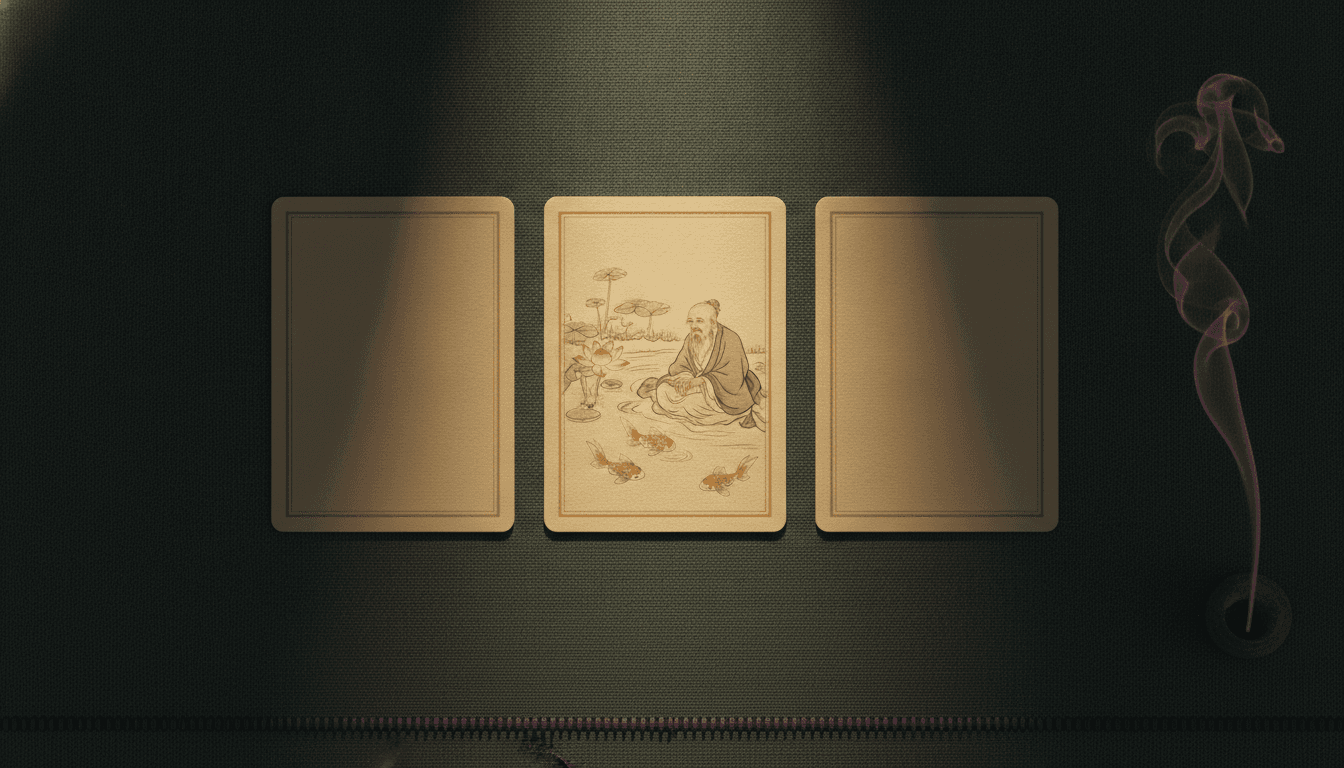


See what the cards say about your year
A personal reading with Bill turns the year’s energy into decisions you can act on.
Book a ReadingExplore the Book